The Future-Proof Kid gives you a personalized plan to build the 5 skills AI cannot replace, one small, mostly screen-free activity at a time. No lectures. No 300-page books. Just what to do Tuesday night.

"Teach critical thinking." "Encourage creativity." "Prepare them for change." Great. How? With what? On a Tuesday, after work, when dinner is late and homework is not done?
Almost every parent is worried. Almost no school has a plan. And the advice industry keeps handing you diagnoses instead of instructions.
Nobody hands you the actual plan. That is the gap this fills.
Lock it down, block the apps, pretend it does not exist. Your child ends up unprepared in a world where every job, every classroom, and every friend uses these tools. Banning does not protect them. It just delays the problem and hands it to a version of your kid with less guidance.
Let the chatbot do the homework, answer the questions, fill the time. Your child gets faster and shallower at the same time. The thinking muscle never gets built, because something else always lifts the weight.
Kids who learn to use AI as a tool, while building the human skills AI cannot copy, will run circles around both the banned kids and the dependent kids. That middle path is exactly what The Future-Proof Kid walks you through, step by step.
Answer 12 quick questions about your kid. Get their AI-Readiness Score across the 5 skills no machine can replace, and see exactly where they need you most.
A 4-week plan built for their age band and their score: three 15-minute activities a week, almost all screen-free, with the exact steps and words to use.
Play Fact-Check a Viral Video at dinner. Check it off. Watch the score grow week after week, kid after kid.
12 questions about real behavior, not vibes. No guesswork, no grades.
A short, parent-friendly assessment across the 5 AI-proof skills: Sharp Thinking, Real Creativity, People Skills, Drive and Grit, and Learning to Learn. In a few minutes you get your child's AI-Readiness Score, so you see exactly where they are strong and where they need you most.
Based on your child's score and age band (5-8, 9-12, or 13-17), you get a 4-week plan of three short activities per week. Each takes about 15 minutes, most are screen-free, and every one tells you exactly what to say and do, tonight. If a skill scored low, the plan adapts and tells you what to emphasize.
Openers, follow-up questions, and answers to the reply your kid will most likely give.
Five word-for-word scripts for the moments that actually happen at your house:
5 of 12 activities done with Maya
Check off activities, watch the progress bar fill, and retake the assessment to see the score actually move across all 5 skills. Change you can point at, over weeks, not vibes.
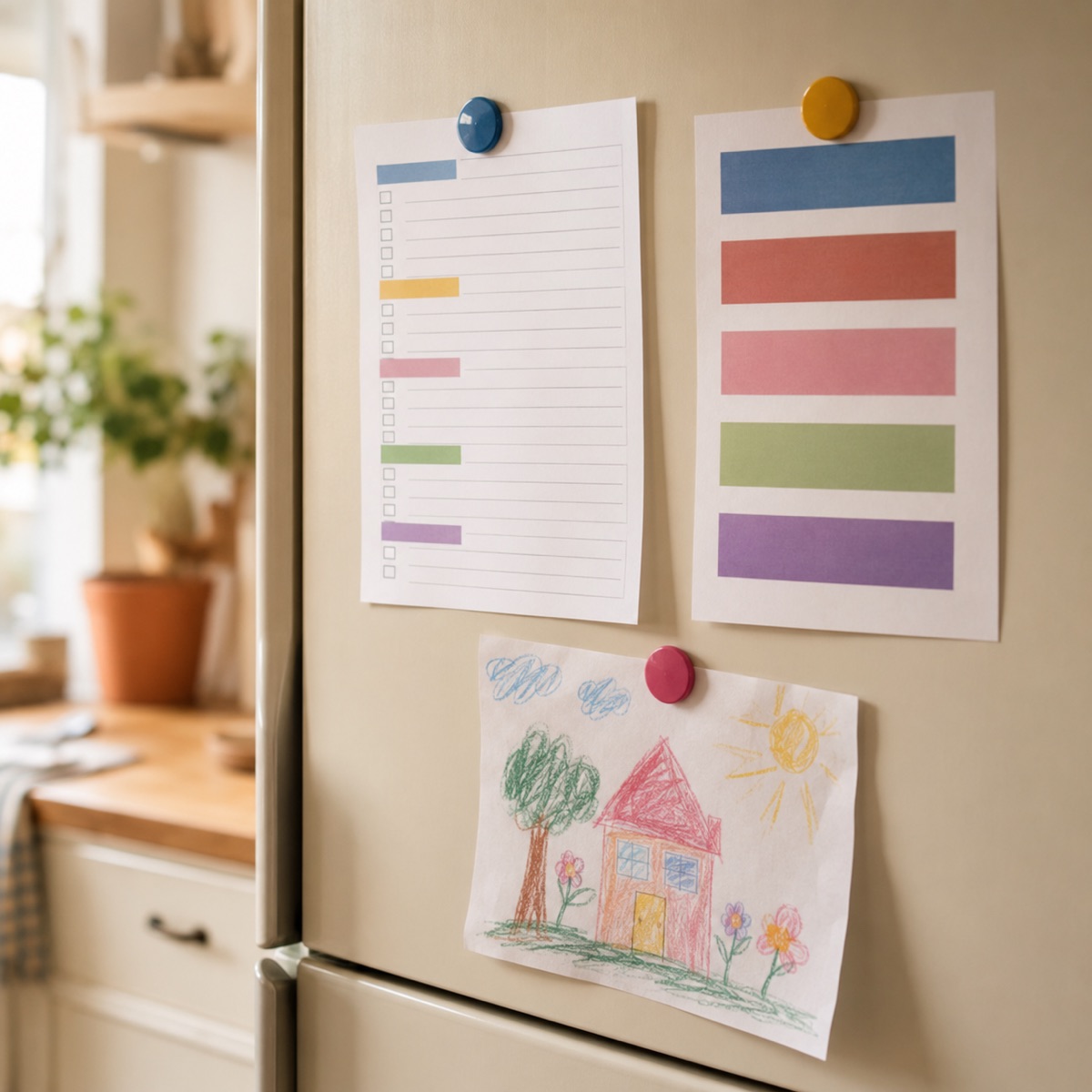
Fridge-ready one-pagers: the 5 skills cheat sheet, the Homework Rules, the 4-week tracker, plus the Real or Fake? card game and the Two Headlines cards used in the activities. The whole pack comes as a PDF you can print tonight.
Lifetime access, whole family. Pay once, keep it forever, including updates. Run a separate assessment and plan for each of your kids, at every age from 5 to 17.

Why this exists. We kept reading brilliant books about what AI means for childhood. They diagnose the problem beautifully, then leave you at the same kitchen table with the same question: okay, but what do we actually do tonight?
So we built the missing piece: an assessment, a plan, exact words, and a tracker. Less reading, more doing. Judge it by one thing: whether Tuesday night changes at your house.
For the price of one hardcover, you get the assessment, every child's personalized plan, the full scripts library, the tracker, and the printable pack. For life.
Start with week one: one 10-minute game at dinner this week. If it does not change anything at your table, you get your money back. If it does, you will know exactly what to do next Tuesday.
A 3-minute assessment tonight. A 15-minute game tomorrow. A kid who asks "how do we know that's true?" by the end of the month.
Get My Child's Plan for $27